

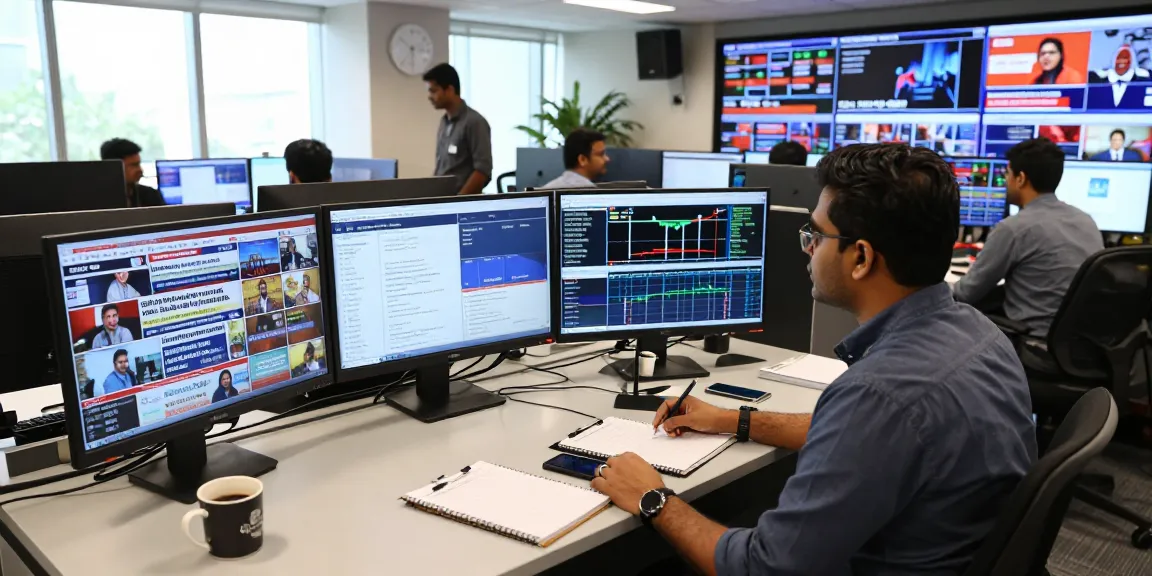
Understanding the Landscape of Indian News Media in 2026
The Indian media landscape is undergoing a significant transformation, driven by technological advancements and shifts in consumer behavior. As we move deeper into 2026, understanding how digital platforms, such as https://www.theindaily.com, are reshaping the delivery and consumption of news is crucial for stakeholders across the industry. With a growing emphasis on real-time reporting and the integration of advanced technologies, the way news is produced, distributed, and consumed is evolving in exciting ways.
Evolution of Digital News Platforms
Digital news platforms have experienced unprecedented growth, particularly since the onset of the COVID-19 pandemic. The shift towards online news consumption has accelerated as audiences increasingly seek quick, reliable, and easily accessible information. Traditional media outlets face the challenge of adapting to this new landscape, with many turning to integrated digital strategies that include mobile apps, social media engagement, and interactive content to reach their audiences effectively.
As platforms like NAGA2000 and The In Daily emerge, they cater specifically to niche segments, providing localized news in a language that resonates with their audience. This evolution illustrates the broader trend towards specialization in news media as a means of capturing specific demographics that mainstream outlets may overlook.
Shifts in Consumer Preferences
Consumer preferences are leaning towards concise, engaging formats over traditional long-form articles. Infographics, video summaries, and bite-sized news bites are becoming more popular, especially among younger audiences. This trend is prompting news organizations to rethink content strategies, focusing on multimedia storytelling approaches that appeal to a visually-driven public.
Moreover, personalized news experiences tailored to individual interests are becoming a norm. Readers today expect news to reflect their preferences, creating opportunities for media outlets to utilize data analytics to curate content effectively. Understanding these preferences allows outlets to create relevant, targeted news delivery systems that enhance user engagement.
Challenges Facing Traditional Media
Despite the opportunities presented by digital platforms, traditional media faces significant challenges. Revenue from print advertising continues to decline, while competition from new media players intensifies. Many established publications are struggling to retain their audience as younger generations turn to digital-native platforms for information.
Additionally, concerns over misinformation and the credibility of news sources have emerged, with audiences becoming increasingly cautious about the reliability of their news. This has led to a demand for transparency and accountability, compelling media organizations to adopt stricter editorial standards and fact-checking processes.
The Role of Real-Time Reporting at https://www.theindaily.com
Real-time reporting has become a cornerstone of modern journalism, particularly in rapidly evolving situations such as political elections, natural disasters, and social movements. Platforms like The In Daily demonstrate the importance of real-time news coverage, providing updates as events unfold, which helps to maintain audience engagement.
Importance of Accuracy in Live News
While the speed of reporting is critical, accuracy remains paramount. In an age where misinformation can spread rapidly, ensuring that news is fact-checked before publication is essential. News organizations must invest in robust editorial processes that prioritize accuracy without compromising the urgency of live news reporting.
Impact of Social Media on Journalism
Social media platforms have revolutionized how news is disseminated and consumed. They serve as powerful tools for journalists to reach audiences directly and allow for immediate feedback and engagement from the public. However, this also means that journalists face the challenge of navigating a space filled with noise and misinformation.
By leveraging social media effectively, platforms like NAGA2000 and The In Daily can build vibrant communities around their content, fostering discussion and enhancing the overall news experience. This engagement not only boosts visibility but also ensures that news remains relevant to its audience.
Case Studies of Successful Live Coverage
Examples of successful live coverage abound, particularly during significant events. For instance, the 2020 Indian general elections showcased how real-time reporting could engage audiences, providing them with insights and updates that traditional media could not match. The ability to break news as it happens creates a sense of immediacy that draws audiences in.
Moreover, platforms that incorporate interactive elements, such as live polls and multimedia content, are seeing higher viewer retention rates. By engaging audiences directly, these platforms can create a more immersive news experience that keeps them coming back for more.
Technology’s Influence on News Delivery
As technology evolves, so too does the way news is delivered. Innovations such as artificial intelligence (AI), machine learning, and data analytics are at the forefront of this change, shaping the future of journalism and news consumption significantly.
AI and Automation in Newsrooms
AI is increasingly being used to automate aspects of journalism, from content generation to audience analysis. Automated reporting tools can produce news articles based on data inputs, freeing journalists to focus on more in-depth investigative work. This shift not only enhances efficiency but also allows news organizations to cover more stories in a shorter time frame.
Moreover, AI-driven analytics can provide insights into audience behavior, allowing media outlets to tailor content to better meet the needs and interests of their readership. This technology empowers journalists to be more strategic in their reporting and distribution efforts.
Emerging Tech Trends to Watch for 2026
Several emerging trends in technology are poised to impact the news industry significantly by 2026. Virtual reality (VR) and augmented reality (AR) are becoming viable tools for storytelling, allowing audiences to experience news in immersive ways. Similarly, blockchain technology is promising to enhance transparency and trust in journalism, potentially revolutionizing how news is sourced and shared.
Another critical trend is the rise of smart devices, which facilitate on-the-go news consumption. With more consumers relying on mobile devices for their information, news organizations must optimize their content for these platforms to ensure accessibility and convenience.
Multimedia Storytelling Approaches
Multimedia storytelling is becoming an essential aspect of news delivery. By integrating video, audio, and visual elements with written pieces, news organizations can provide a richer, more engaging experience for their audiences. This approach not only captures readers’ attention but also caters to different learning styles, making news accessible to a broader audience.
Furthermore, the combination of various media types allows for deeper storytelling. For instance, a news article about a political event might include video interviews, infographics, and interactive timelines to provide comprehensive context and enhance audience understanding.
Addressing Audience Engagement Strategies
As competition in the news industry intensifies, audience engagement strategies are more critical than ever. Media outlets must develop effective methods to capture and retain their audiences in an ever-crowded marketplace.
Personalization of News Content
Personalization is a key driver of engagement. By utilizing data analytics to understand audience preferences, news organizations can curate content that speaks directly to individual interests. This targeted approach not only improves user satisfaction but also encourages loyalty as readers feel more connected to the content.
Utilizing Data Analytics for Targeting
Data analytics provides insights into audience behavior, helping news organizations identify trends and preferences. By understanding what types of content resonate most with their audience, media outlets can adjust their strategies accordingly, ensuring that they deliver relevant news that aligns with audience interests.
Innovative Formats for News Consumption
Experimenting with innovative formats can enhance audience engagement. Interactive articles, live Q&A sessions, and podcasts are gaining popularity as they offer audiences new ways to engage with news. These formats not only diversify content but also create opportunities for deeper connections with readers.
The Future Outlook of https://www.theindaily.com in Indian Media
The future of Indian media, particularly for platforms like The In Daily, is ripe with potential. As consumer preferences continue to evolve, organizations must adapt their strategies to remain relevant in the digital age.
Predictions for Media Consumption Patterns
In the coming years, we can anticipate a shift toward more visual content as audiences increasingly prefer videos and interactive elements over traditional text-heavy articles. Mobile consumption will also dominate, necessitating optimized content for on-the-go access.
Potential Growth Areas in Digital Media
Areas such as mobile journalism, VR/AR storytelling, and subscription-based news services are expected to see significant growth. By focusing on these areas, media organizations can tap into new revenue streams and enhance the overall user experience.
Insights from Industry Experts
Industry experts predict that as competition increases, collaboration between media organizations may also rise. By sharing resources, insights, and best practices, these organizations can enhance journalism quality and address common challenges more effectively.
What are the latest trends in Indian media?
Current trends include a shift towards digital-first strategies, increased reliance on user-generated content, and a greater emphasis on local news coverage. These trends reflect the changing media landscape and highlight the need for adaptability among news organizations.
How is technology changing news reporting?
Technology is enhancing the speed and accuracy of news reporting. AI tools can assist in fact-checking, while data analytics inform editorial decisions. This transformation allows for more effective reporting and a deeper understanding of audience needs.
What strategies can news outlets use to engage audiences?
Strategies such as personalized content delivery, multimedia storytelling, and leveraging social media engagement can enhance audience connection and retention. Engaging with audiences through interactive elements can create a more profound experience.
What role does social media play in news dissemination?
Social media serves as a vital channel for news dissemination, allowing outlets to reach wider audiences and engage them in real-time discussions about current events. It also acts as a feedback loop, enabling journalists to adjust their coverage based on audience responses.
How can traditional media adapt to digital challenges?
Traditional media can adapt by embracing digital-first strategies, investing in technology, and prioritizing audience engagement through personalized content. Collaboration with tech companies and media startups can also foster innovation.
